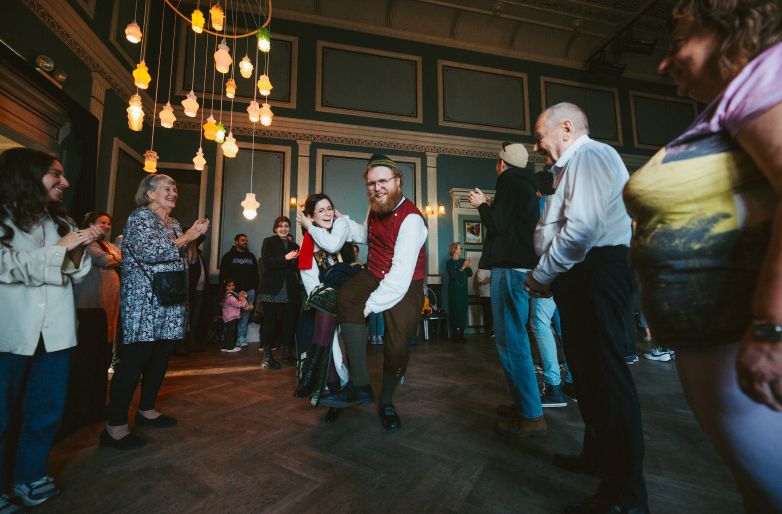
Folk music is rooted in community practice and yet it also exists in an economic paradigm based around ticket sales, international touring, funding, social media virality and streaming revenue.
This tension led me to the question: how do we build structures that allow artists to sustain themselves financially without eroding the very ecosystems that make this music meaningful?
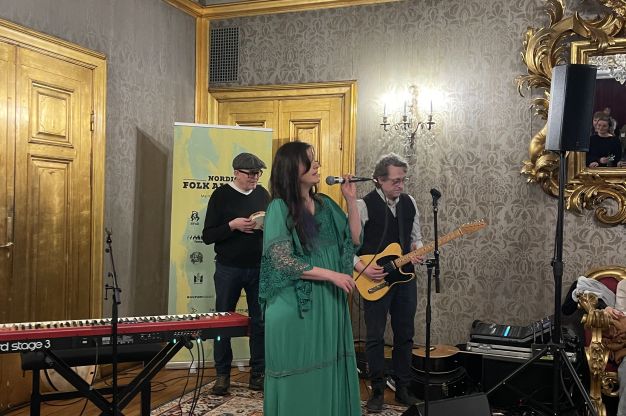
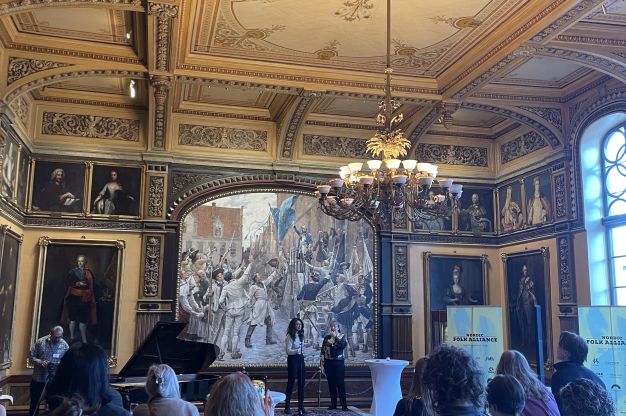
The arena to explore this query was Nordic Folk Alliance 2026, a hybrid conference and showcase event this year taking place from April 9-11 in Malmö. I attended to represent both East of Moon, and Vökufélagið, an association working to promote traditional cultural activities and to build a vibrant, inclusive folk arts community in Iceland.
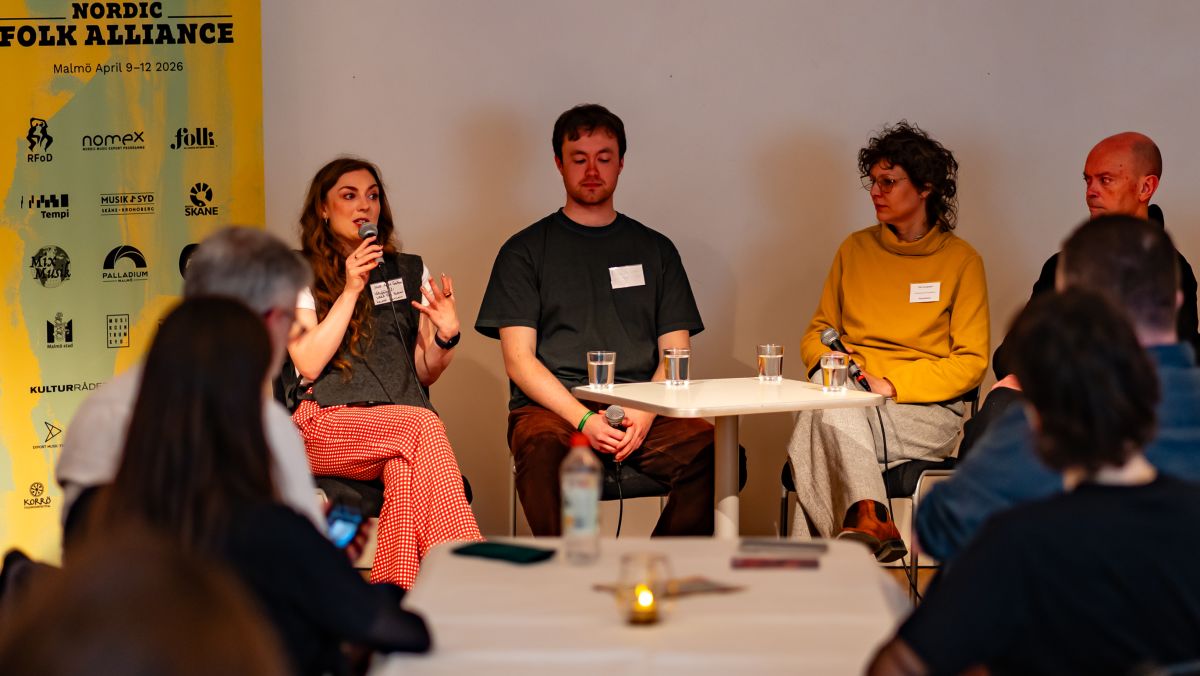
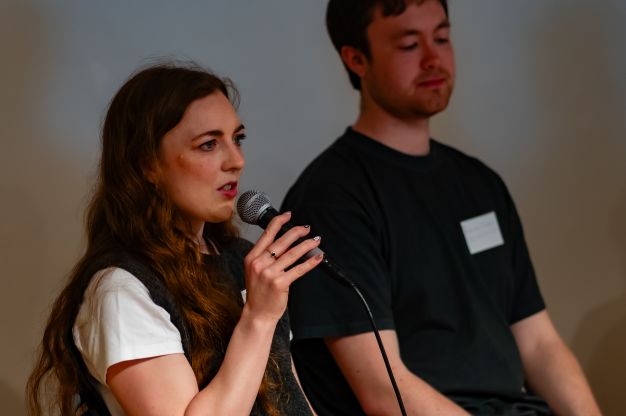
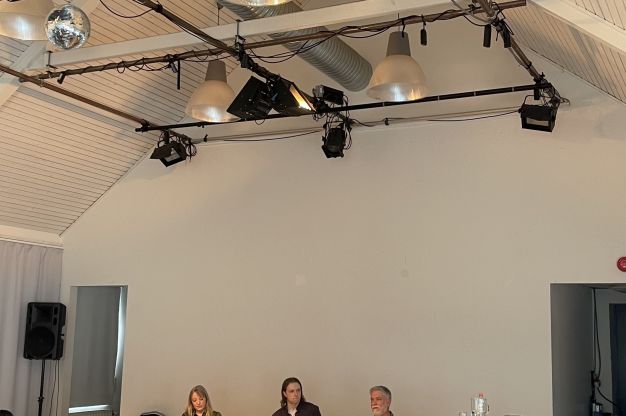
This involved hosting a panel discussion titled “Hyperlocal vs Global: Can Folk Music Be an Industry?” with speakers Tom Sherlock, Ylle Ljungdahl and Åsmund Farstad. The panel analysed a tension that feels increasingly critical: how traditional music and art practices — rooted in collective creation, hyperlocality, and close connection — can navigate an economic system built on scalability, being consumable, and individualised success.
We discussed:
While there are inherently no simple answers to questions like this, the value was in sitting together and learning from each others’ experiences. From Tom’s decades of expertise in exporting both Celtic and Nordic music, to Åsmund’s perspective as a young emerging artist, with Ylle’s knowledge of festival and event programming — bringing our voices together around these hefty discussions felt genuinely meaningful.
Anyone working within the folk music and arts “scene” understands that it is something porous and constantly evolving rather than fixed. This is both the strength of the genre and community, and an exciting challenge. Practitioners have the opportunity to explore the far periphery of what it means to be a folk artist, but the call to honour tradition, heritage and the community you emerge from is strong and persistent.
While these dual forces have driven folk music since time immemorial, their modern expression in a world experiencing hyperconnectivity, extractive media and extreme mobility is uncharted territory. Spaces like Nordic Folk Alliance give those of us engaging in this area a chance to meet and investigate this landscape together, forming new connections and strengthening communities across political and geographical boundaries.
Supported by